Pinner Man And Van in Pinner

Choose Pinner Man And Van in Pinner for practical help with moving, carrying and transporting household or business items in one coordinated service. The focus is on straightforward removals work: lifting, loading, securing and delivering possessions safely and sensibly, with the aim of making the day feel organised rather than rushed. If you need support with a flat move, a room-by-room clear-out or a small business transfer, our service is shaped around getting items moved with care.
We can support a wide range of moving tasks, from single bulky items to fuller property moves, and the work can be adjusted to suit access, timing and the volume of belongings involved. That might include man and van transport for local journeys, a fuller home move when more possessions need handling, or a tidy furniture pick-up where a collected item has to be delivered to its new place without fuss. The emphasis is on a sensible, usable moving service rather than unnecessary extras.
If you are planning a move in or around Pinner, start by listing the main items to be moved and the access points at each end. A clear description of the load helps us understand what equipment and vehicle space may be appropriate. When you are ready, request a quotation.
House and flat removals

Household moves vary a lot in scale, and a good removal plan keeps the work proportionate to the property and the contents. A compact flat clearance, a family house move or a partial relocation all call for different loading patterns, different time allowances and different levels of handling. The service is designed to move everyday domestic items such as boxes, furniture, appliances and personal belongings in an orderly way, while keeping the process clear for the customer.
When you are comparing options, it helps to think about what actually needs to travel and what can remain behind. We can support house removals for full property moves, house movers support when you want a practical domestic moving crew, and house removalists where you are looking for a more removal-focused description of the same kind of service. These pages may help you judge which route best suits your move, the size of your load and the type of property involved.
Useful preparation usually means separating what is going, what is staying and what needs extra care. It is often worth marking fragile items clearly, keeping essentials to one side and making sure larger furniture can be reached without delay. A little organisation before moving day can help the job run more smoothly and reduce the chance of missed items. Start with the largest pieces first and build the rest of the load around them.
Domestic moving options

Some customers only need a simpler moving solution rather than a full removal package. That may involve transporting a few key pieces, moving contents from one storey to another, or combining lifting help with a short local journey. In those cases, a flexible van-and-porter arrangement can be a sensible choice because it keeps the service focused on the items that matter most and avoids paying for more than is necessary.
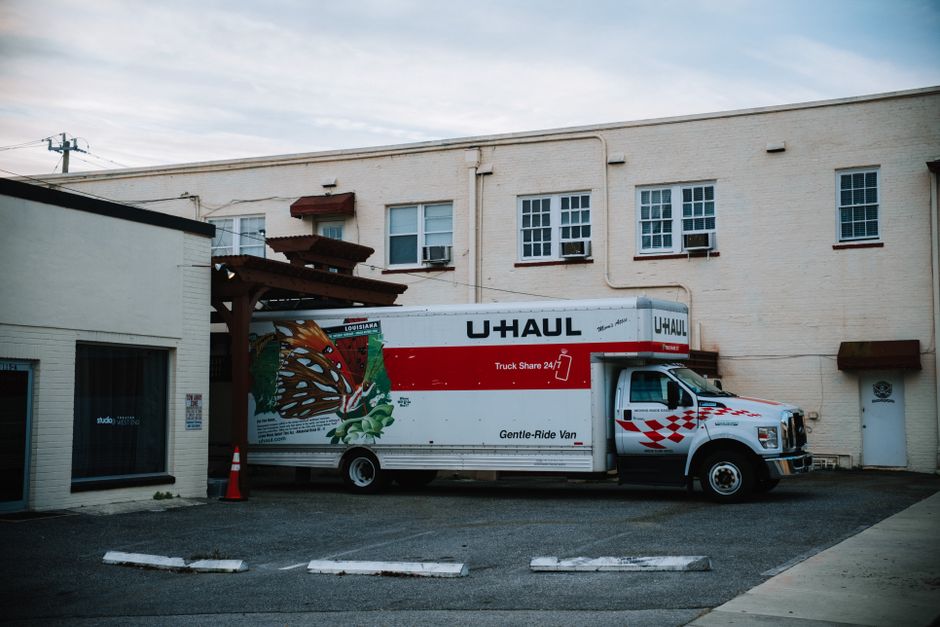
Where the move is centred on a vehicle and careful loading, services such as moving van, moving truck, removal van and removals van can be useful ways to describe the transport element. For lighter or more direct jobs, man with a van and man with van are often the most concise descriptions. If you are comparing wording across similar services, choose the page that best matches how much help and vehicle capacity you expect to need.
It also helps to think about access at both properties, especially where stairs, narrow hallways or limited parking may affect loading. Mentioning these details early makes it easier to plan the order of work and the space required in the vehicle. If there are awkward pieces, specialist packing or careful wrapping, include that information too so the quotation reflects the real job rather than a simplified version of it.
Commercial and office moves
Business moves need a different rhythm from domestic work because desks, filing, IT equipment and stock often have to be moved with minimal disruption. A sensible plan sets out what should be relocated, what should stay in place and what order makes sense on the day. The goal is to keep the transfer practical and controlled, whether you are shifting a small office, moving equipment between sites or relocating part of a working space.
For these jobs, the right service may be described as commercial moves, office relocation services or office removals depending on the kind of space and the scale of the move. Each page points towards a business-orientated moving approach, with attention to the handling of office furniture, boxed records and other work-related items. Where the move is not a complete office transfer, a smaller scheduled collection can still be arranged around your business hours.
Good planning matters because business items are often arranged by department, workstation or access zone. If you can identify the items that need to be loaded first, the objects that require extra care and anything that needs to be delivered to a particular room, the move can be mapped more neatly. That saves time on the day and makes the work easier to follow.
Packing, lifting and collection support

Some jobs need more than transport alone. Boxes may need to be packed, furniture dismantled, or awkward items prepared so they can be loaded safely. That is where a broader moving service can make the process simpler, especially if you are dealing with heavy pieces, a tight staircase or a short deadline for emptying a room. The service can be shaped around the amount of handling required, rather than treated as a one-size-fits-all visit.
If you need help getting items ready, a page such as packing and unpacking services can sit alongside the move itself, while removal services is a useful general option when the work involves a mixed set of tasks. For single-item or very small-load collections, removals and removal companies are broader routes into the same family of services, and they can be matched to the kind of work you need without overcomplicating the booking.
A clear list of items is the easiest way to support a quotation. If there are wardrobes, white goods, delicate mirrors or unusually heavy objects, say so from the start. It is also worth noting whether the items are ready to move or whether wrapping, disassembly or extra carrying time will be needed. With that information, the service can be priced and planned more accurately.
How the moving service is organised
The practical side of a move matters because the same job can look very different depending on where the belongings are stored and how they need to travel. A ground-floor collection from a driveway is not the same as a top-floor flat with limited access, and a single bulky item does not need the same setup as a full household load. The service is therefore arranged around the actual work involved, so the moving plan stays realistic.
In some cases the journey itself is the main requirement; in others, loading and unloading are the parts that need the most attention. The key point is that the service should fit the job rather than force the job into a fixed format. If your moving requirements are still taking shape, a plain removal van can suit smaller transport needs, while man with van removal and man with a van are broader expressions often used when the work combines lifting with travel. The right choice depends on volume, access and how much handling is involved.
For some customers, the most helpful step is simply to decide what must be moved now and what can wait. That may include separating keep, sell, donate and dispose piles before the van arrives. Clear groupings reduce confusion and make it easier to load the items in an efficient order, which is especially useful when time on site is limited or the move is taking place during a busy day.
About Pinner

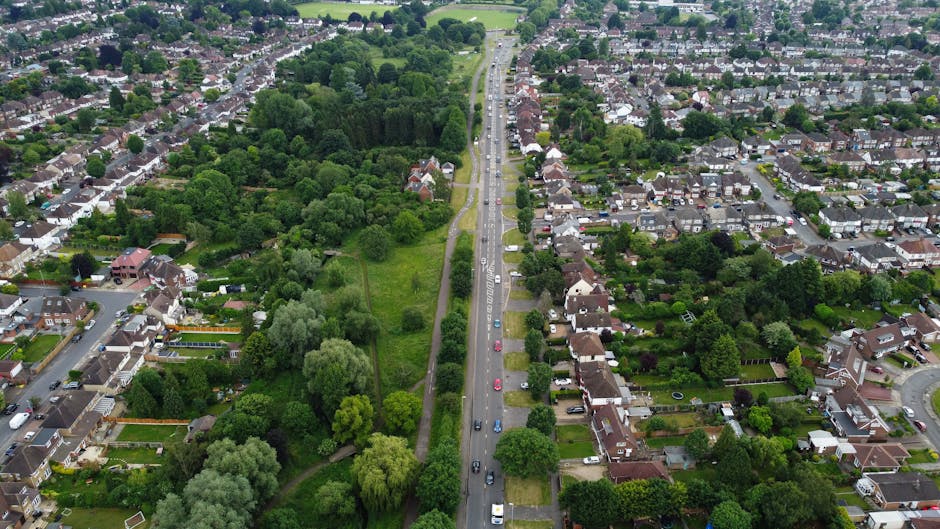
Pinner is a historic district in the London Borough of Harrow, in north-west London, and it retains a distinctive suburban character shaped by older village development and later residential growth. The centre includes preserved streetscapes, period buildings and a strong sense of local identity that reflects its origins as an old settlement rather than a purpose-built town centre. Pinner’s historic core sits around Pinner High Street and surrounding lanes, where timber-framed and brick buildings sit alongside shops, cafés and community facilities. The area is also known for Pinner Memorial Park, a green space with ornamental planting, a pond and recreational paths that provides a quieter contrast to the busier streets nearby. St John the Baptist church is one of the best-known landmarks, with a history reaching back centuries and a churchyard that adds to the village-like feel of the centre. Pinner also has a station on the Metropolitan line, which connects it into the wider Underground network and has long influenced its growth as a place for commuting and local services. Beyond the centre, residential roads spread into neighbourhoods such as Pinnerwood, North Harrow edges and surrounding streets that preserve a more spacious suburban layout. The district is associated with community events, local clubs and an annual fair, which together reinforce its identity as a place with both heritage and everyday civic life. Its mix of older architecture, parkland and residential streets gives the area a settled atmosphere that distinguishes it from denser parts of outer London, while still keeping it firmly connected to the capital’s transport and cultural networks.
Choosing a moving service in a place like Pinner often comes down to balancing access, item size and the amount of handling required. Properties around the district can vary from compact flats to larger family houses, and the layout of each one shapes the practical work needed on moving day. A well-matched removals arrangement keeps the focus on safe lifting, careful loading and clear transport planning, so the service remains efficient without becoming overcomplicated. That is why it helps to describe the job accurately from the beginning and let the plan reflect the load rather than the other way round.
Pricing factors and quotation details

The cost of a move is usually shaped by a small set of practical factors: how much needs to be moved, how far it has to travel, the ease of access at each end and whether any special handling is involved. A short journey with a handful of items is very different from a larger domestic move with stairs, larger furniture and several loading trips. When those details are set out clearly, the quotation is easier to understand and the moving plan is easier to follow.
The page pricing and quotes is the natural place to look when you want to understand how the service is costed, and it can help you think through the information needed for an accurate estimate. If you are comparing options across the website, the general pages removals near me and removal company can also give a broader picture of the type of work available, although the best quotation will always depend on the actual items, route and access conditions involved.
When requesting a quotation, it is useful to include the main item list, the addresses or general locations involved, and any constraints such as parking, stairs or time windows. That does not mean every detail has to be final, but the more accurate the outline, the closer the estimate is likely to be to the real job. Clear information first usually makes for a cleaner moving arrangement later.
Collections, deliveries and smaller loads
Not every job is a full move. Some customers only need one or two pieces collected, a few boxes delivered to another property or a compact load transported after a purchase or sale. A smaller service can still be handled with care and attention, and it is often the most sensible option when the volume does not justify a large removal setup. The point is to keep the work proportionate, safe and convenient.
For this sort of job, the most relevant pages may be man and van removals, moving van and removal truck hire, depending on the size and nature of the load. A collection service can cover items from shops, storage, homes or offices, provided the move is described clearly before the day arrives. The same applies to one-off deliveries where the vehicle and loading support matter just as much as the journey itself.
If your move is modest, try to group items together so that the scale of the task is obvious at a glance. This is particularly useful when the load includes mixed objects, such as boxed goods, furniture and a few fragile pieces. A concise description helps avoid guesswork and means the quote can reflect the work rather than an assumption about it. If anything is especially awkward, mention it early and keep the rest of the load list equally clear.
Recycling and responsible handling

Sometimes a move exposes items that no longer need to travel, and it can be helpful to separate those from the possessions that are definitely staying. That might include unwanted furniture, duplicated household goods or objects that are ready to be passed on elsewhere. A responsible removal approach considers what is being moved, what can be re-used and what should simply be disposed of carefully in line with the way the job is set up.
The page recycling and sustainability gives a clear route into that side of the service, while furniture pick-up remains useful when a single piece or a small set of items needs lifting and transport. Where domestic work includes a mixture of keep, move and remove decisions, it can be useful to sort the load before the collection day so that the moving part and the disposal part do not get confused. That makes the service neater for everyone involved.
It is often sensible to check in advance whether heavy items are still assembled, whether doors can be removed if needed and whether any object requires two-person handling. Those details affect the flow of the work and the sort of vehicle space required. A well-described load allows the service to be matched more closely to the task, which is better for both timekeeping and handling.
Service choices and practical next steps
There are several ways to describe moving work, and each page on the site points to a slightly different emphasis. Some customers are looking for a broad removals solution, others want a simple van-and-loader arrangement, and some need support that focuses on a specific property type or a particular set of items. The best choice depends on the job in front of you, not on a label alone.
If you want to review the wider service range, the pages movers, removal company and removal companies provide broad entry points, while house removals and office removals are more specific to domestic or business work. These options can help you decide whether your move is mainly about transport, lifting, packing or a mix of all three. The right description makes it easier to ask for the right type of help.
As a final step, make sure the details you send match the work you actually want done: the items, the access, the route and the timing. If you are still deciding between a few different service types, that is fine; a short description of the load and the locations is usually enough to begin. For a straightforward next step, get in touch to request a quotation.