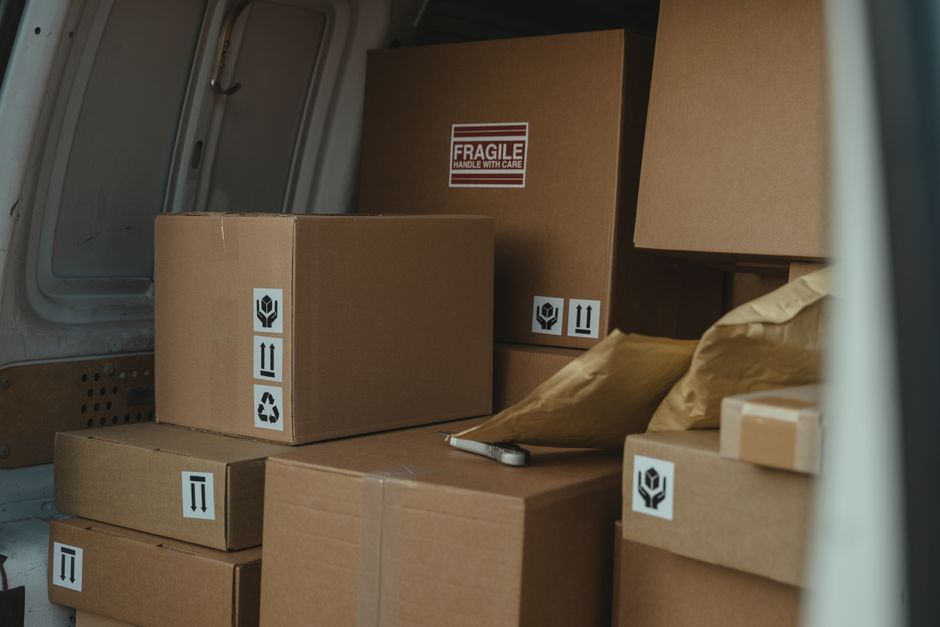
Moving Vans, Loading Bays and Fines in Pinner (HA5)
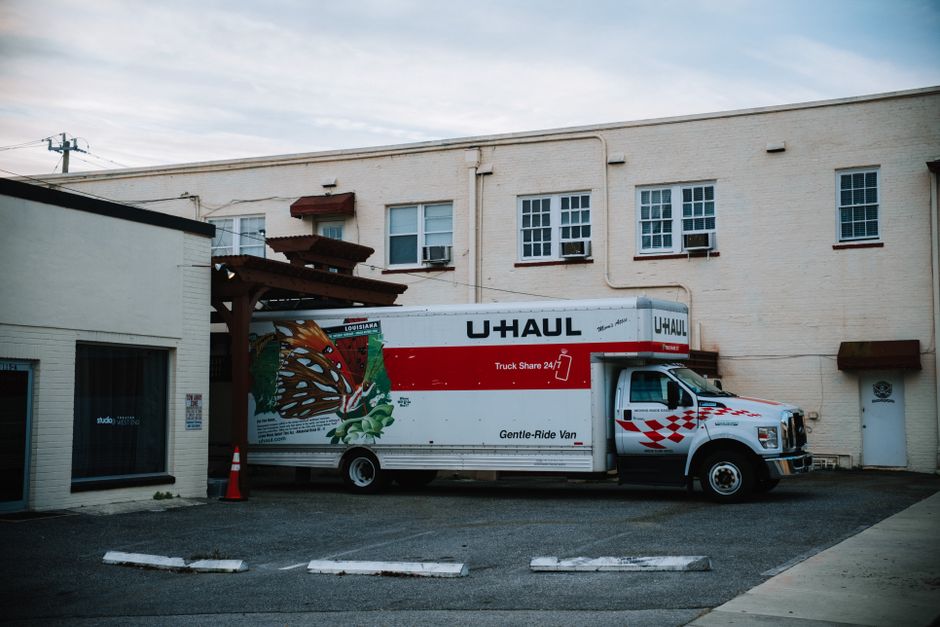
If you are planning a move in Pinner, the last thing you want is a van stuck in the wrong place, a loading bay blocked at the wrong time, or a penalty notice turning a busy day into an expensive one. Moving vans, loading bays and fines in Pinner (HA5) may sound like a narrow topic, but it sits right at the centre of a smooth local move. Get it wrong and you can lose time, money, and patience. Get it right and everything feels calmer, quicker, and a lot less stressful.
This guide breaks down how loading bays work in practice, what usually causes fines, how to reduce the risk, and what to check before moving day. Whether you are booking a man and van service for a flat, arranging a larger removal van, or planning a full household move, a little local know-how goes a long way. Truth be told, it is often the parking plan-not the packing-that decides whether the day runs smoothly.
Below you will find practical advice, a clear step-by-step approach, a checklist, and a realistic view of where moving vans usually run into trouble around loading bays and roadside restrictions in HA5.
- Why it matters
- How loading bays and fines work
- Key benefits and practical advantages
- Who this is for
- Step-by-step guidance
- Expert tips
- Common mistakes to avoid
- Tools, resources and recommendations
- Law, compliance and best practice
- Options and comparison table
- Real-world example
- Practical checklist
- Conclusion
- Frequently asked questions
Why Moving Vans, Loading Bays and Fines in Pinner (HA5) Matters
Pinner is one of those places where a move can look straightforward on paper and then suddenly become fiddly on the pavement. Narrow residential streets, shared access routes, school traffic, parked cars, timed restrictions, and busy shopping areas can all complicate loading. A van may be perfectly suitable for your move, but if there is nowhere lawful to stop, the whole job slows down.
Loading bays exist to make short stops possible for deliveries, collections, and removals. In theory, that is simple. In real life, it depends on the bay type, the signage, the time of day, and whether the bay is being used for the purpose it was intended for. If a mover parks casually and hopes for the best, that is often where fines begin. And no one wants to stand outside with a sofa in the rain while someone else argues over a ticket. Not fun.
For homeowners, tenants, students, and small businesses in HA5, the issue matters for three reasons:
- Time: a bad parking setup adds delays to carrying, lifting, and queueing for access.
- Cost: fines, extra waiting time, and repeat trips can increase the overall bill.
- Stress: a clear parking plan keeps the move under control and reduces friction with neighbours or building staff.
It also affects the people around you. If a moving van blocks a loading bay longer than it should, it can disrupt deliveries, residents, or commercial tenants. That is why a responsible moving company will think about access before arrival, not after the van is already halfway into the street.
For a smoother experience, many customers combine good planning with services such as home moves, flat removals, or office removals, depending on the property type. Different move, different access needs. Simple as that.
How Moving Vans, Loading Bays and Fines in Pinner (HA5) Works
At a practical level, the process starts with the location. A loading bay is usually a marked space intended for loading or unloading for a limited period. Some bays are time-limited. Some are restricted to certain users or types of vehicles. Some allow short stops only during specific windows. The wording on the sign matters more than people think.
When a moving van arrives, the driver normally has to decide quickly:
- Can the van legally stop here?
- Is the bay currently usable for loading?
- Is the move likely to take longer than the permitted window?
- Is there a better route, entrance, or alternative stop nearby?
If the answer to any of those questions is uncertain, it is better to slow down and reassess than to rush in and hope nobody notices. Let's face it, parking enforcement does not usually reward hopeful thinking.
In many local moves, the real challenge is not the distance travelled. It is the final 20 metres. That is the stretch where a van needs to get close enough for loading, but not so close that it triggers a restriction, blocks a driveway, or sits in a place that risks a fine. A good mover plans that stretch carefully.
The risk of a fine usually increases when:
- the van stays longer than permitted;
- the driver stops in a bay that is not for their vehicle type;
- the bay is occupied at arrival and the driver improvises;
- the team assumes loading activity automatically makes every stop allowed;
- the signage was not checked properly.
That last point is more common than it should be. A sign can be easy to miss when everyone is carrying boxes, talking to the building manager, and trying not to scratch a wardrobe. But the sign still counts.
Key Benefits and Practical Advantages
When you handle the access side properly, the whole move tends to feel lighter. That is the honest benefit. Here are the main advantages of taking moving vans and loading bays seriously in Pinner.
- Fewer delays: the crew spends less time circling, waiting, or walking items from a distant parking space.
- Lower risk of fines: careful use of bays and restrictions reduces the chance of enforcement action.
- Better protection for items: shorter carrying distances mean fewer bumps, drops, and weather exposure.
- Smoother neighbour relations: good parking etiquette avoids complaints and tension on the day.
- More accurate scheduling: once the access plan is clear, time estimates tend to be more realistic.
There is also a practical comfort benefit that gets overlooked. A move with a properly parked van feels calmer. You do not have to keep asking, "Can we leave this here?" or "Is somebody going to ticket us?" That kind of background worry can really drain the day.
If you need a vehicle that fits smaller streets or tighter access, a removal van or a flexible man with van arrangement can sometimes be easier than sending a bigger truck into an awkward spot. For larger loads, a moving truck may be the better option, but only if the access is suitable. Bigger is not always better. Convenient is better.
Who This Is For and When It Makes Sense
This topic matters to more people than you might expect. If you are moving within Pinner, in from nearby, or out of HA5, parking and loading rules can affect almost every stage of the job.
It makes sense for:
- tenants moving in or out of flats with limited street access;
- families managing house moves on busy roads;
- students shifting into or out of shared accommodation;
- office managers planning a business relocation;
- people arranging furniture collection or disposal;
- anyone using a van in an area where stopping space is tight or controlled.
It is especially relevant when the move includes awkward items such as wardrobes, desks, sofas, or upright instruments. In those cases, the carrying distance really matters. If you have ever tried to navigate a sofa around a tight corner after parking two streets away, you will know exactly why.
For example, if a household move is being split across two days or the new home is not ready yet, adding storage can reduce pressure. That gives you breathing room if loading windows or access restrictions are not perfectly aligned.
Students and renters often underestimate this part. They focus on boxes, keys, and Wi-Fi, which is fair enough, but the van still needs a place to stop. A bit of planning saves a lot of last-minute scrambling.
Step-by-Step Guidance
Here is a practical way to handle moving vans, loading bays, and fine risk in Pinner without overcomplicating it.
- Check the access at both ends. Look at the road width, bay signs, nearby restrictions, entry points, lifts, and stairs. The pickup and drop-off locations can be very different.
- Measure the job realistically. Count bulky items, fragile pieces, and the number of trips likely needed. That helps you choose between a smaller van, a standard removal vehicle, or a larger truck.
- Confirm the loading plan in advance. Decide where the van will stop, who will open doors, and how long the load should take. A ten-minute guess is often too optimistic.
- Read the signage on arrival. Do not assume the bay rules from memory. Signs can change, and streets in London have a habit of being a bit specific.
- Keep the loading process tight. Have boxes sealed, furniture protected, and items grouped by room before the van arrives.
- Use a watchful approach to timing. If the bay is limited, work in a steady flow and avoid long pauses in the vehicle stop area.
- Have a fallback option. If the bay is occupied or restricted, be ready with an alternative stopping point or a second vehicle plan.
A small but useful detail: keep a simple written sequence for the day. Who is meeting the driver? Which door is open first? Where are the keys? Which floor are the fragile items on? It sounds almost too basic, but basic is what keeps moves on track.
If you are booking a broader package, services like removal services or removals can help coordinate the whole process from van to unpacking. That coordination matters when access is tight and timing is unforgiving.
Expert Tips for Better Results
After enough moves, a few patterns become obvious. The best outcomes usually come from preparation, not speed. Here are the things worth doing.
- Arrive slightly earlier than you think you need to. Not hours early, just enough to assess the space properly before carrying begins.
- Keep the walkway clear. If items are piled near the bay or entrance, the crew slows down and the risk of a snag goes up.
- Use protective wrapping. Padding, blankets, and proper boxes reduce the chance of damage when carrying from a tighter parking spot.
- Place the heaviest items closest to the van door. This cuts effort and keeps loading more efficient.
- Separate essential documents and valuables. If the bay situation gets messy, at least your essentials are not buried.
One practical trick is to treat the loading bay like a brief working zone, not a parking space. That shift in mindset changes everything. You are there to load, not to settle in. Small distinction, big difference.
For office jobs, asking ahead about internal lift access, reception rules, and security procedures can save time. If the building has limited access, office relocation services often benefit from a firmer schedule and more direct communication.
If you are unsure whether a job needs a smaller vehicle or a more structured crew, speaking with a provider of removal companies can help you compare options without overcommitting. Sometimes the right answer is not the biggest van. It is the one that fits the street and the schedule.
Common Mistakes to Avoid
This is where many local moves go sideways. The good news? Most of the mistakes are avoidable.
- Assuming the loading bay is automatically available. It may be timed, restricted, or already in use.
- Forgetting the carry distance. A legal stop can still be impractical if it is too far from the door.
- Leaving timing too loose. A "roughly around lunchtime" plan is not enough when a loading bay has a limited window.
- Using a van that is too large. A bigger vehicle can create access problems where a smaller one would have worked neatly.
- Not briefing everyone involved. When one person thinks the van is parking on one side and another thinks the opposite, chaos sneaks in fast.
- Ignoring the weather. Rain, wet steps, and slippery pavements make loading slower and less forgiving.
Another common issue is underestimating flat moves. A top-floor flat with no lift, a narrow stairwell, and a short loading window can be more demanding than a ground-floor house move. That is exactly why flat removals need a thoughtful approach, not just muscle.
And yes, there is always the person who says, "It'll only take five minutes." Usually it won't. At least not once the sofa meets the stair landing.
Tools, Resources and Recommendations
You do not need a toolkit the size of a depot, but a few items make a real difference. Think practical rather than fancy.
- Boxes and labels: labelled boxes save time and reduce confusion when unloading.
- Packing materials: tape, wrap, and padding help protect items when space is tight.
- Blankets or covers: useful for furniture that may brush walls or doorframes.
- Mobile phone with a charged battery: simple, but very important if access changes last minute.
- Printed move plan: helpful if signal is poor or several people are involved.
If you want a more structured move, packing and boxes can make the loading sequence easier to manage, while packing and unpacking services can take pressure off if you are juggling work, children, or a tight completion schedule. Not everyone has time to label every mug individually, and fair enough.
For delicate or high-value items, it can also be worth considering specialist help such as piano removals or carefully planned furniture removals. The key is matching the item to the vehicle and the access route, rather than forcing a one-size-fits-all approach.
Finally, use clear communication. A move becomes much easier when everyone knows the loading bay, the timing, the vehicle size, and the fallback plan before the day begins.
Law, Compliance, Standards, or Best Practice
When moving vans use loading bays in Pinner, the main thing to understand is that local parking restrictions matter. Signs, time limits, and bay markings are not decorative. They are part of the rules of the road and should be treated seriously.
As a general best practice in the UK, drivers should:
- read all bay signage carefully before stopping;
- avoid leaving a vehicle in a restricted space longer than allowed;
- keep the loading activity genuine and continuous where the bay is intended for loading only;
- avoid blocking access for residents, businesses, or emergency routes;
- stay alert to local enforcement changes and site-specific instructions.
It is worth saying carefully: councils and parking authorities can differ in how they manage restrictions, permits, or enforcement. So the safest approach is not to guess. If the sign is unclear, or if a building manager has given special instructions, follow the stricter rule. That is usually the least painful path.
For commercial moves, the compliance side often includes building access rules, insurance expectations, and schedule coordination. If you are planning a business relocation, commercial moves should be handled with an access-first mindset. It is boringly sensible, which is exactly why it works.
Responsible operators also think about vehicle safety, lifting methods, and crew welfare. If you want reassurance on that side, it helps to review a provider's health and safety policy and insurance and safety information. Those details are not just paperwork. They tell you how a company thinks.
Options, Methods, or Comparison Table
Choosing the right moving method can make the difference between a smooth load and an awkward one. Here is a simple comparison to help you think it through.
| Option | Best for | Access advantage | Main downside |
|---|---|---|---|
| Small van or man and van | Studio flats, smaller loads, tight streets | Easier to position in narrow access points | May need multiple trips |
| Standard removal van | Typical home moves, mixed household loads | Good balance of space and manoeuvrability | Still needs sensible parking space |
| Moving truck | Larger house moves or bulky furniture | Reduces the number of journeys | Harder to use in tight loading bays |
| Specialist removal company support | Complex, high-value, or time-sensitive moves | Better planning for access and timing | Usually more coordination needed |
For many local jobs, a flexible man with a van setup is enough. For larger family moves, a more complete removals service may be the safer choice, especially if access, stairs, or timing are tricky. There is no prize for choosing the biggest option if it cannot park properly. That part gets missed a lot.
Case Study or Real-World Example
Picture a typical Saturday move in HA5. A couple are moving from a first-floor flat into a terraced house a short distance away. The belongings are not unusual: a bed, two wardrobes, a sofa, kitchen boxes, a desk, and a few awkward bits that always seem to appear at the last second. Nothing dramatic.
The flat is near a road with limited stopping space. The team arrives just before the busiest part of the morning, checks the signage, and realises the most obvious spot is not suitable for a long stop. Rather than parking there and hoping for the best, they use a smaller setup, keep the van close, and load in a steady sequence. One person manages doors, one handles the heavier furniture, and the boxes are already labelled.
What does that change in practice?
- The van is in and out without drama.
- The carrying distance stays manageable.
- There is no scramble with enforcement or angry phone calls.
- The move finishes earlier than expected because the team is not constantly resetting the plan.
Now compare that with a less careful version: parking first, checking later, lifting while unsure about the bay, and discovering halfway through that the stop was not ideal. Same belongings. Very different day.
This is why local knowledge matters. A move is not only about lifting and driving. It is about sequencing, access, and making the street work for you without crossing the line. Simple, but not always easy.
Practical Checklist
Use this before the moving van arrives. It saves a surprising amount of stress.
- Confirm the pickup and drop-off addresses.
- Check whether either property has a loading bay or restricted parking.
- Read the signs and note the time limits.
- Decide which van size is actually suitable.
- Label boxes by room and priority.
- Protect furniture and fragile items.
- Clear hallways, stairs, and entrances.
- Keep keys, documents, and valuables separate.
- Have a backup plan if the bay is occupied.
- Make sure the mover knows about stairs, lifts, and access codes.
- Allow extra time if the property is busy or the road is narrow.
- Check any building instructions before the day, not on the curb.
Expert summary: in Pinner, the difference between a tidy move and a stressful one often comes down to access planning. Choose the right vehicle, respect the bay rules, and keep the loading process moving. That combination protects your time, your money, and your sanity. Which, honestly, is worth a lot on moving day.
Get a free quote today and see how much you can save.
Conclusion
Moving vans, loading bays and fines in Pinner (HA5) are not just a parking issue. They are part of the overall moving strategy. If the access plan is weak, the whole day can feel harder than it should. If the access plan is sound, even a fairly busy move can feel manageable.
The main lesson is straightforward: think about the street before the van arrives. Check the bay. Check the timing. Choose the right vehicle. Keep the load organised. Small steps, but they add up fast. And when a move feels properly organised, everyone relaxes a little. You can hear it in the tone of voice. You can see it in the pace of the day.
If you are preparing for a move in HA5, stay practical, stay patient, and do not leave the parking decision until the last minute. That one habit alone can save you a lot of grief.
Frequently Asked Questions
Can a moving van use a loading bay in Pinner?
Often, yes, but only if the bay signage and timing allow it. The key is to check the exact restrictions on arrival and not assume every loading bay works the same way.
What causes fines during a house move?
Common causes include overstaying a bay, parking in a restricted space, blocking access, or using a stop that is not permitted for loading. A careful arrival check prevents most of these problems.
Is a smaller van better for tight streets in HA5?
Usually, yes, if the load fits. A smaller van can be easier to position near a flat or terraced house, especially where parking is limited. But if the load is large, a bigger vehicle may still be needed.
Do loading bays always allow moving vehicles to stop?
No. Some are time-limited, some are restricted by vehicle type, and some are only available at certain times. The sign is the deciding factor, not the fact that you are moving.
How can I reduce the chance of getting a parking fine on moving day?
Plan the access in advance, read the signs carefully, keep the loading process efficient, and have a fallback option if the bay is unavailable. A short, calm plan is better than last-minute improvising.
What if the loading bay is occupied when the van arrives?
Have an alternative stopping point or timing plan ready. In some cases, a short wait is possible, but it is better to prepare for that possibility before the van turns up.
Are office moves affected in the same way as home moves?
Yes, and sometimes more so. Office buildings may have stricter access rules, security procedures, and narrow booking windows, so the parking plan matters even more.
Should I tell the moving company about stairs and lifts?
Absolutely. That information affects timing, vehicle choice, and how much carrying will be needed. It is one of the simplest ways to avoid surprises.
What is the best option for a small flat move?
A flexible smaller vehicle is often a good fit for smaller loads and tighter access. For many renters, a man and van style service can be a practical middle ground.
Do I need packing help if parking is already difficult?
It can help, yes. Good packing and unpacking services make the loading process quicker, which matters when the stopping window is short.
How do I know whether I need storage during a move?
If your move dates do not line up, or if access restrictions mean you cannot unload everything at once, storage can be a practical buffer. It is especially useful when a completion date shifts. Happens more than people like, to be fair.
What is the smartest first step if I am moving in Pinner?
Check the parking and loading options at both addresses first. Once you know where the van can stop, everything else becomes easier to plan.
Local moves are rarely perfect, but they do not need to be chaotic. With the right access plan, a bit of preparation, and a sensible vehicle choice, you can make the day feel far more straightforward than most people expect. And that is a pretty good feeling when the boxes are stacked, the kettle is packed somewhere mysterious, and the front door is finally closing behind you.