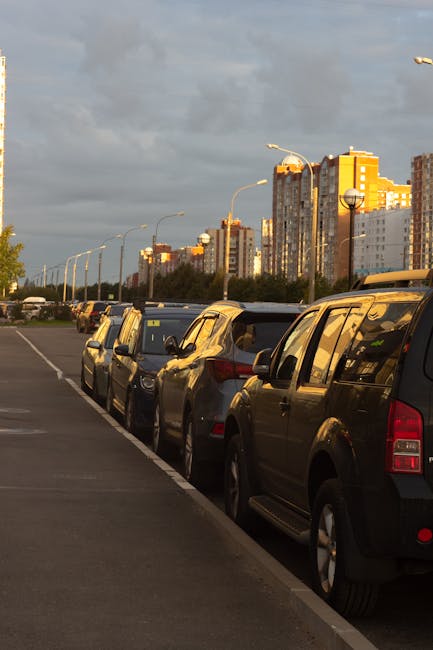
Avoid Move-Day Delays: Parking Tips for Pinner Moves
Moving house in Pinner can go smoothly right up until the vans arrive and suddenly the street feels narrower than you remembered. A delivery truck is parked across the road, the bays are full, someone has left their car just a bit too close to the corner, and now everyone is doing that awkward shuffle with boxes in hand. That is exactly why Avoid Move-Day Delays: Parking Tips for Pinner Moves matters. Good parking planning is one of those unglamorous tasks that saves time, reduces stress, and keeps the whole move from slipping into chaos.
In this guide, we will look at what sensible parking planning looks like in a Pinner move, how to prepare for loading and unloading, and how to avoid the common mistakes that cause delays. If you want a cleaner moving day, fewer bottlenecks, and a calmer start in your new home, you are in the right place.
Table of Contents
- Why Avoid Move-Day Delays: Parking Tips for Pinner Moves Matters
- How Avoid Move-Day Delays: Parking Tips for Pinner Moves Works
- Key Benefits and Practical Advantages
- Who This Is For and When It Makes Sense
- Step-by-Step Guidance
- Expert Tips for Better Results
- Common Mistakes to Avoid
- Tools, Resources and Recommendations
- Law, Compliance, Standards, or Best Practice
- Options, Methods, or Comparison Table
- Case Study or Real-World Example
- Practical Checklist
- Conclusion
- Frequently Asked Questions
Why Avoid Move-Day Delays: Parking Tips for Pinner Moves Matters
Parking is not just a side issue on moving day. It is the practical hinge that everything else swings on. If the removal van cannot get close to the property, every item takes longer to move. That means more footsteps, more lifting, more repeated trips, and more chances for something to get scratched, dropped, or simply left behind because the pressure is building.
Pinner has the kind of streets where parking can be straightforward in one moment and frustrating the next. You may have a narrow residential road, a school run nearby, a commuter car parked outside a house, or an awkward corner that makes it hard for a long wheelbase van to settle in cleanly. To be fair, most delays do not come from big disasters. They come from small things: a van arriving before a space is clear, a neighbour's car blocking access, or the team having to double-handle furniture because the lorry is too far away.
Parking planning also affects your relationships with neighbours. A move can be noisy, busy, and slightly disruptive even when everyone is doing their best. If you are organised, you are less likely to end up in a frazzled conversation on the pavement at 8 a.m. with someone trying to leave for work. Nobody enjoys that. Nobody.
Expert summary: The simplest way to avoid move-day delay is to treat parking as part of the moving plan, not as something to sort out once the van arrives. A clear access route, a realistic loading space, and a backup plan can save the day.
How Avoid Move-Day Delays: Parking Tips for Pinner Moves Works
At its core, parking planning for a house move is about reducing friction between the property and the vehicle. The closer and safer the van can park, the less time the team spends carrying items, and the less exposure there is to damage, congestion, or confusion. It is really that simple, although the local details matter a lot.
The process usually starts before moving day. You look at the road outside your property, check whether there are marked bays, note any restrictions, and decide where the van should ideally stop for loading or unloading. Then you think through the timing. Will the space be available at 7:00 a.m., but impossible by 9:00 a.m.? Is there a school drop-off surge? Are there temporary works nearby? These are the sorts of questions that save headaches later.
Good movers tend to work from the access point inward. In practice, that means they want the vehicle placed where it can safely load the property with minimal carrying distance. The team then uses trolleys, blankets, straps, and sensible lifting methods to move items in a steady flow. If parking is poor, the whole rhythm breaks down. You can feel it immediately. One person waiting, one person walking back and forth, one sofa that is now suddenly much heavier than it was five minutes ago. It happens.
For many Pinner moves, the best results come from combining three things:
- a realistic loading spot close to the entrance,
- clear communication with the driver and any neighbours affected, and
- a backup plan if the first choice is taken when the van arrives.
If you want the broader moving plan to feel more joined-up, it can also help to review the company's pricing and quotes information early, so parking and access questions are considered before the day itself. That little bit of prep can make the difference between a smooth slot and a frustrating scramble.
Key Benefits and Practical Advantages
Parking planning sounds basic, but the gains are surprisingly strong. Here is what you actually get when it is done well.
- Faster loading and unloading: Less walking time means more time spent moving items, not crossing the street.
- Lower risk of damage: Shorter carry distances reduce the chance of bumps, knocks, and tired mistakes.
- Less stress for everyone: A calm, organised start makes the rest of the day feel more manageable.
- Better use of labour: The removal team can work in a smoother rhythm instead of waiting around.
- Reduced conflict with neighbours or road users: Planned parking is less likely to create awkward blockages.
- More predictable timing: When access is clear, you are much less likely to overrun the schedule.
There is another benefit that people often miss: parking planning improves your judgement on the day. When the team knows exactly where the vehicle should go, they are not making rushed decisions at the kerb while the door is open and the kettle has been disconnected. You get fewer last-minute debates. And honestly, move day has enough debate already.
For customers who like to know how the company handles reliability and safety in general, the page on insurance and safety is a useful place to check the standards behind the service. That kind of reassurance matters when furniture, door frames, and parking spaces all become part of the same practical puzzle.
Who This Is For and When It Makes Sense
This guidance is useful for almost anyone moving in or out of Pinner, but a few situations make it especially important.
- Homes on narrow residential streets: Where parking is already tight and every metre counts.
- Properties on busy roads: If traffic makes stopping briefly awkward, you need a proper loading plan.
- Flat moves: Shared access, communal bays, and short windows make parking even more important.
- Families moving with children or pets: Less chaos outside usually means less stress inside, too.
- Long-distance moves with a set schedule: You need arrival and departure to stay on time.
- Anyone using a larger van or multiple vehicles: The bigger the vehicle, the more planning is needed.
It also makes sense if you are the sort of person who likes a bit of certainty before a big day. Some people can wing it. Others, quite sensibly, prefer to know where the van will stand, who will move which car, and what happens if the nearest space is taken. If you are in the second camp, this is for you.
For background on the company behind the move, you can review the about us page. If you need to ask a practical question before booking, the contact us page is there for that exact reason.
Step-by-Step Guidance
Here is a sensible way to plan parking for a Pinner move without overcomplicating it.
- Inspect the street a few days before the move. Look at bay markings, road width, visibility, and any likely pinch points. If possible, do this at the same time of day as your planned move, because parking conditions can change dramatically between morning and afternoon.
- Work out the best loading point. Ideally, you want the van close enough for efficient carrying, but not parked in a way that blocks turning, driveways, or access for emergency vehicles.
- Identify any restrictions or obvious risks. No need for detective work. Just note what is visible: permit bays, yellow lines, school zig-zags, or tight bends where a long van may struggle.
- Tell the removal team in advance. If access is tricky, say so early. A good mover would rather know the awkward bit upfront than discover it while reversing into a near-impossible spot.
- Arrange temporary space clearing where appropriate. Sometimes a neighbour, visitor, or family car can be moved the night before. Sometimes not. You can only ask. Politely, of course.
- Plan a backup space. Have a second option ready in case the preferred area is occupied when the van arrives.
- Prepare for front-door loading. Keep hallways clear, protect floors if needed, and make sure the route from the door to the vehicle is uncluttered.
- Stay contactable on the day. If the driver needs you to help resolve a parking issue, you should be reachable quickly. A five-minute delay can become twenty if nobody is available to make a decision.
One small but useful habit: once the vehicle is parked, step back and look at the route from the door to the van as if you are carrying a bulky wardrobe through it. That mental picture is often more useful than any fancy plan. If the route looks fiddly, it probably is.
Expert Tips for Better Results
These are the practical touches that separate a decent move from an easy one.
- Use the earliest sensible arrival window. In many residential areas, the earlier part of the day is simply easier. Less traffic, fewer parked cars moving, and fewer surprises.
- Keep the van side aligned with the property entrance. Even a small shift can add unnecessary carrying distance. It sounds picky, but it helps.
- Leave a margin for doors and ramps. A vehicle parked too tightly to a wall or kerb can make loading awkward. Give the crew room to work safely.
- Ask about floor and wall protection. Safe loading is not only about the road space. Internal movement matters too.
- Label the priority items clearly. When the van is parked well, the team can move the essentials first and keep the day flowing.
- Think about both addresses. People often plan the old property carefully and then forget the new one. The unloading side matters just as much.
To be fair, many move-day parking problems are not dramatic. They are just mildly irritating. But mild irritation adds up when you are tired, hungry, and trying to find the box with the kettle in it. That is why the best tip is often the least exciting one: overprepare a little. It pays.
If you want to understand how the business handles communication and service standards more broadly, the terms and conditions page is worth reading before moving day. It helps set expectations, which is one less thing to think about when the boxes are stacked by the hallway.
Common Mistakes to Avoid
Most parking delays come from a handful of familiar mistakes. If you can avoid these, you are already ahead of the game.
- Assuming a space will be free. A street that looked empty yesterday may be full by move morning.
- Not checking the route for tight turns or low branches. The van may fit in theory, but not in practice.
- Forgetting about neighbour access. Blocking somebody's driveway or garage can cause avoidable friction.
- Ignoring the unloading side. A good departure plan can unravel quickly if the arrival property is awkward.
- Leaving it too late to mention access problems. This is a classic one. The earlier you say it, the easier it is to manage.
- Not having a backup plan. When the first space is gone, the clock starts ticking.
Another mistake is treating parking as a job for the removals team alone. It is a shared responsibility. The mover brings experience and equipment, yes, but you know the property, the street, and the local quirks. Put that knowledge to work. It helps more than people expect.
Tools, Resources and Recommendations
You do not need a full project-management toolkit to sort parking for a move. A few simple things are enough.
- Phone notes: Jot down restrictions, best loading points, and contact names for the day.
- Photos of the street: Useful if you want to explain the access setup to the team before the move.
- A basic moving timetable: Even a rough timeline helps keep parking, packing, and collection aligned.
- Door protection and floor coverings: Handy when carrying furniture through a narrow entrance.
- Labels for priority boxes: Easier access from the van means faster settling-in later.
It is also worth checking service details that affect the customer journey more generally. If you want a simple overview of how a booking is structured, the pricing and quotes page gives a clear sense of what to expect. For sensitive service information, the privacy policy and payment and security pages are sensible reference points too.
And if you are curious about the company's wider values, the recycling and sustainability page is a nice reminder that moving does not have to be wasteful. Boxes, packing materials, and disposal choices all matter in the bigger picture.
Law, Compliance, Standards, or Best Practice
Parking for a house move sits in the practical space between local rules, road safety, and common courtesy. It is sensible to follow the visible restrictions on the street, respect access needs for neighbours, and avoid blocking driveways, crossings, or junctions. If temporary loading arrangements are needed, they should be handled carefully and in line with the conditions that apply locally. Because local parking rules vary, it is best not to assume one neighbourhood works exactly like another.
From a best-practice standpoint, a safe move should always allow enough room for the van to load without forcing the driver into risky manoeuvres. That includes considering visibility, pavement safety, pedestrian movement, and the ability to open doors and use equipment without obstruction. In plain English: if a parking arrangement feels awkward or unsafe, it probably is.
House moves should also be planned with care for the people carrying items. Repeated long carries are tiring and can increase the chance of strain or accidental damage. Good moving practice is usually the boring-sounding kind: clear routes, steady handling, and sensible spacing. Boring is often beautiful on moving day.
If you would like reassurance on safety responsibilities and general service standards, the health and safety policy provides useful context. For a broader sense of the business's service approach, you can also review the homepage.
Options, Methods, or Comparison Table
There is more than one way to handle parking on move day. The right choice depends on the street, the property, and how much access you have at either end.
| Approach | Best for | Advantages | Limitations |
|---|---|---|---|
| Direct front-of-property parking | Quiet streets with enough room | Fastest loading and unloading, shortest carry distance | Can be hard to secure on busy roads or narrow lanes |
| Nearby roadside parking | Areas with limited but workable access | Often easier to find than a perfect space | Longer carry distance and more time used |
| Pre-arranged temporary access plan | More controlled moves, especially in tight spots | Improves predictability and reduces surprises | Needs early planning and clear communication |
| Flexible arrival strategy | Streets where parking turnover changes quickly | Useful when the first choice may be blocked | Depends on the driver's judgement and timing |
In many Pinner moves, the best answer is not one method alone but a combination. For example, you might plan for front-of-property parking but also identify a nearby alternative in case the road is fuller than expected. That small bit of flexibility makes the day less brittle.
Case Study or Real-World Example
Picture a typical Saturday move from a terraced house in Pinner. The road is live with regular local traffic, one neighbour has a car that was not there when you checked the day before, and the van needs to unload a sofa, several boxes, a bed frame, and a rather unforgiving dining table.
The first instinct might be to stop wherever there is a gap. But the better move is to park in the nearest position that still leaves room for the rear doors to open safely and the team to work without stepping into traffic. The driver checks the route, the householder moves a family car from the front space, and the crew starts with the largest items while the access is clear. No drama. No sprinting back and forth across the street. Just a measured, sensible flow.
Now imagine the same move without parking planning. The van arrives, the best space is gone, and the team parks three houses away. What happens? More walking, more time, more fatigue, and a greater chance that one awkward item will catch a doorway because everyone is rushing. The difference is not subtle. It feels bigger than it sounds on paper.
That is why a well-planned parking setup is not a small detail. It is one of the main reasons a move feels controlled instead of messy.
Practical Checklist
Use this simple checklist before the van turns up. It is not fancy, but it works.
- Checked the street for likely parking restrictions and access issues
- Identified the best loading and unloading point
- Noted a second parking option in case the first one is taken
- Confirmed the move time and any access concerns with the removals team
- Moved personal cars out of the way where possible
- Warned neighbours if your move may affect their access
- Cleared the hallway, stairs, and entrance route
- Protected floors, walls, or door frames if needed
- Kept your phone charged and handy for the day
- Separated essential boxes so they can be loaded or unloaded first
If you are reading this the night before the move and thinking, "Well, I should have done that earlier," do not worry. Do the best version you can now. Even one or two of these steps will make tomorrow easier.
Get a free quote today and see how much you can save.
Conclusion
Pinner moves do not have to be delayed by parking problems. With a bit of local awareness, clear communication, and a backup plan, you can keep the day moving at a sensible pace. Most of the stress in a house move comes from uncertainty, and parking is one of the easiest uncertainties to reduce.
Think of it this way: the smoother the van access, the smoother everything else tends to be. Fewer steps. Less lifting. Better timing. A calmer mood all round. That is a pretty good deal for something as ordinary as a parking space.
So if you are preparing for a move in Pinner, give parking the attention it deserves. It is one of those small decisions that makes a very big difference, and on move day, that is exactly what you want.
Frequently Asked Questions
How far in advance should I plan parking for a Pinner move?
Ideally, you should start looking at parking a few days before the move. That gives you time to spot restrictions, think through access, and decide on a backup option if the best space is likely to be taken.
What if someone parks in the space I was planning to use?
Have a second option ready. Streets change quickly, especially on residential roads. If the preferred space is occupied, the backup plan stops the move from stalling while everyone stands around deciding what to do.
Do I need to tell the removals team about parking issues in advance?
Yes, absolutely. The more they know about access, the better they can plan the vehicle position and timing. It is much easier to sort out before the day than when the van is already outside your door.
Is front-of-house parking always best?
It is usually the most efficient option, but not always possible. If it is unsafe, blocked, or restricted, a nearby legal space may be the better choice. The best option is the one that balances access, safety, and practicality.
How do parking restrictions affect moving day?
Restrictions can affect where and when a van can stop, so they need to be checked carefully. Even if the street looks free, a restriction may still limit loading or waiting. Always plan around what is visible on the road itself.
What should I do if my street is very narrow?
Let the moving team know early, and think about whether there is a nearby wider spot for loading. Narrow streets often need a more flexible approach, especially if the van is large or there is a lot to unload.
Can parking delays make the move more expensive?
They can make the job take longer, and that may affect the overall cost depending on the arrangement you have. Even when extra cost is not the issue, delays usually increase stress and make the whole day feel heavier.
Should I reserve or save a parking space myself?
Only use methods that are sensible and appropriate for your local situation. The safest approach is to plan early, communicate clearly, and use the parking setup available to you without creating problems for other road users or neighbours.
What is the biggest mistake people make with move-day parking?
Assuming it will sort itself out. It often does not. Parking is one of those things that looks small until the van is waiting and time is slipping away. A little planning goes a long way.
How can I make unloading at the new property easier?
Try to keep access close to the entrance, clear the pathway inside, and have a plan for the first few boxes. The easier the handoff from van to front door, the quicker the settling-in phase begins.
What if I am moving from a flat with shared parking?
Shared parking usually needs extra care because spaces can be limited and access may be shared with other residents. Tell the team early, plan for a possible walk from the van to the entrance, and give yourself more time than you think you need.
Where can I check more about the company before booking?
You can start with the about us page, then review the pricing and quotes, insurance and safety, and terms and conditions pages for a clearer picture of what to expect.